
The Miracle of Bloom
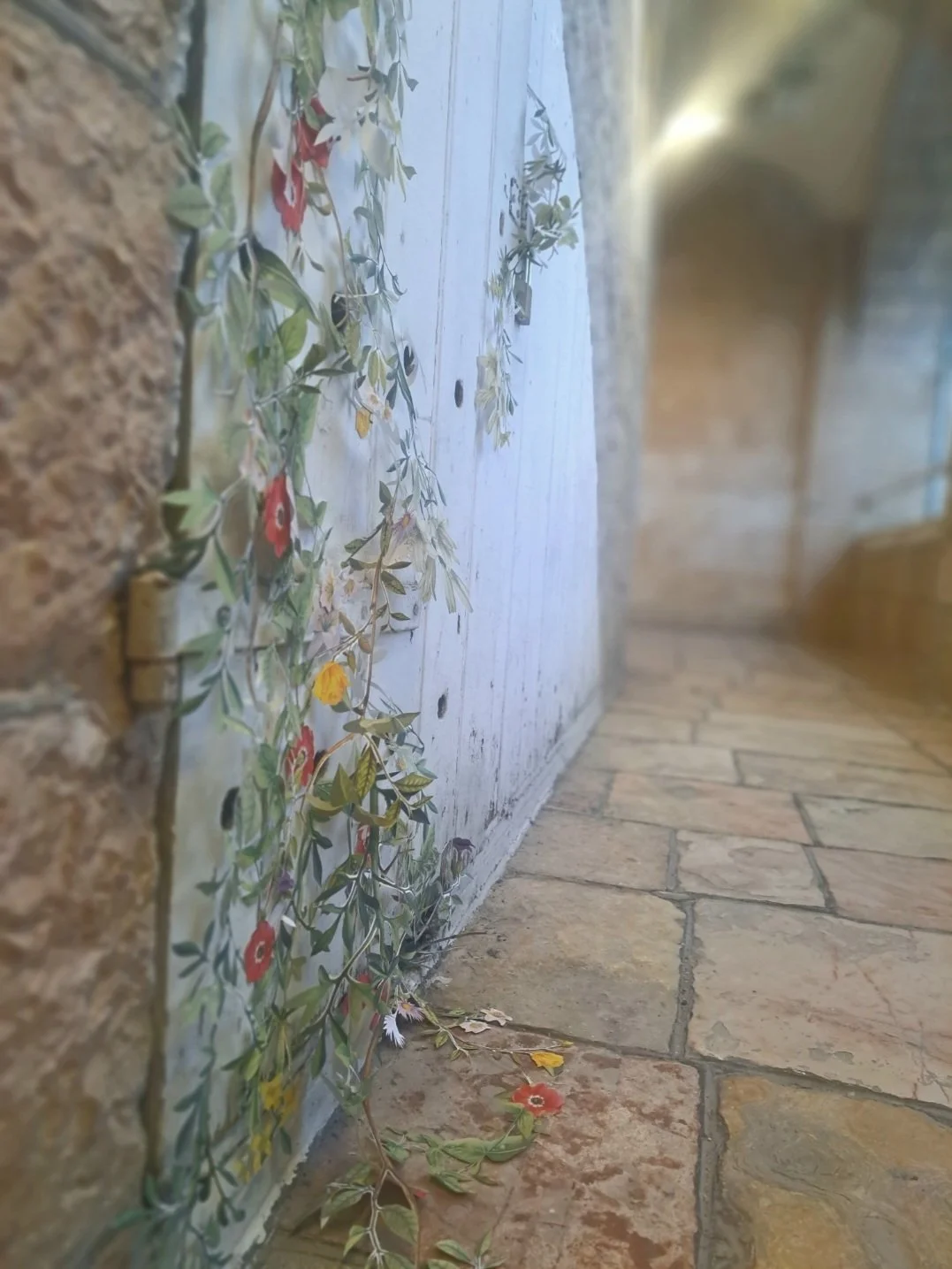
Flowering growth bursts forth from a wooden door in the depths of Building 13. Twisted branches emerge from it, bearing diverse and colorful blooms. A series of findings uncovered in excavations beneath the old exit gate of the building tell the fascinating story of the pilgrim L. Korkin and the events of one dark night. And what connects all of this to the miraculous brew? All this and more in a guided tour to a mysterious door.
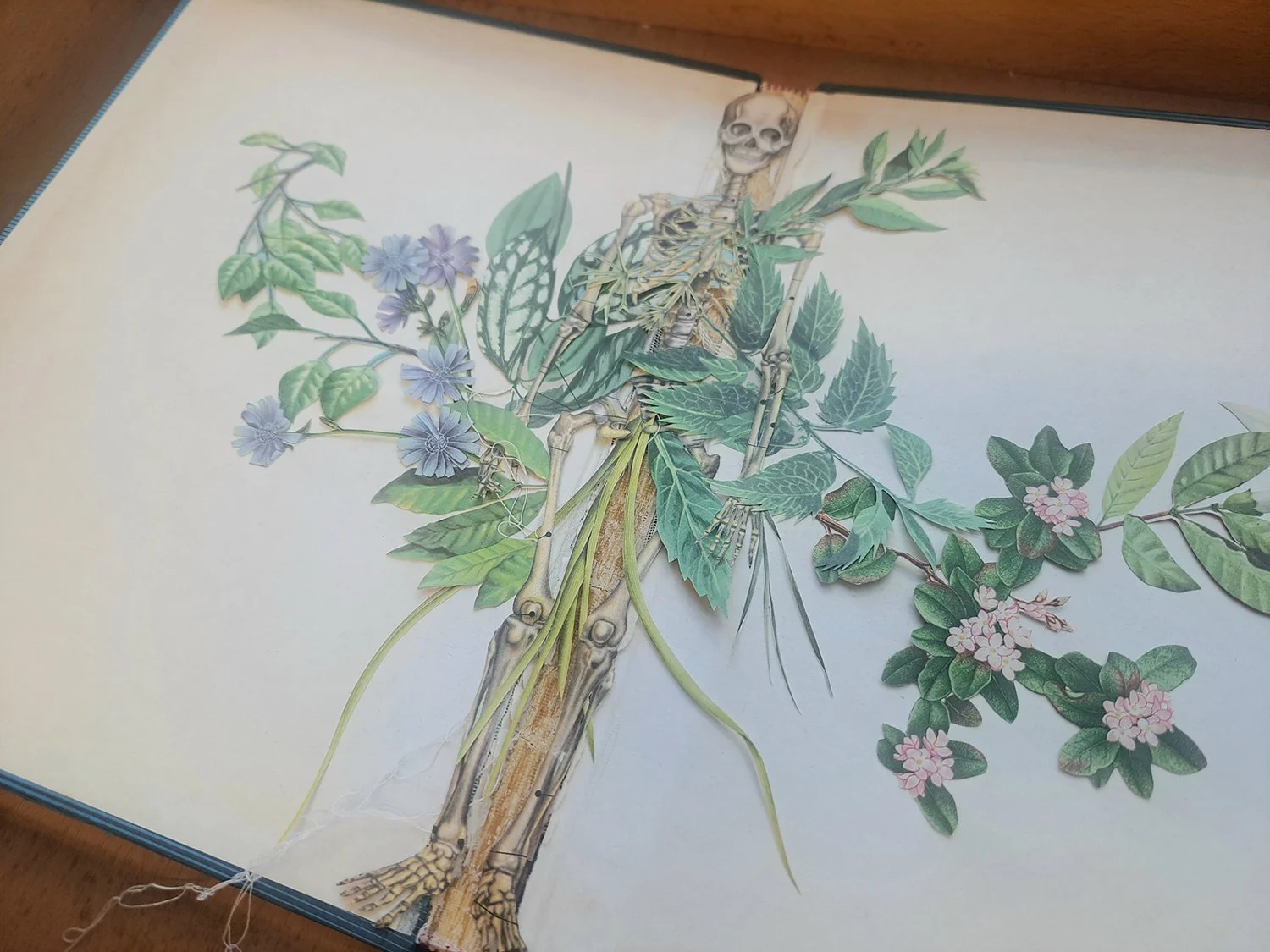
On the seventh day of the tenth month in the year 1873 of the Christian calendar, the Korkin family arrived in Jerusalem with their seven children, after a months-long journey from their home in southeastern Russia. Leonid Mikhail and Elena Korkin fell ill shortly after their arrival in the Holy Land and were hospitalized at the Crusader hospital in Jerusalem with a mild fever. As fate would have it, on the twelfth night of Jesus's birth, a viper was discovered in the bed of Amelia, who was a tender and helpless child. From the records kept that night by the ward sisters, we learn that upon hearing the news about the snake, Leonid Korkin rushed to the girl's aid, approached her bed, and caught it with his hand, thereby saving her life. It was further recorded that through this heroic act, Korkin's own fate was sealed - he was bitten by the viper and the doctors and staff were unable to save him.
Korkin thus died a hero's death, and in the diary of his daughter Alexandra, found years later, the story of that night's events was revealed. According to the writings, the grief-stricken Elena Korkin demanded to be present at her husband's funeral, and since she was too weak to leave the hospital, the staff agreed to turn a blind eye and allow Korkin's burial beneath the western exit gate of the building, so that they could all pay him final respects. In time, many flowers grew in L. Korkin's burial plot, among which the white lily stood out prominently - known as the Madonna lily after it was given to her by the angel Gabriel - and the anemone flower, which could be found in those days in the Golgotha area, the site of Jesus's crucifixion.
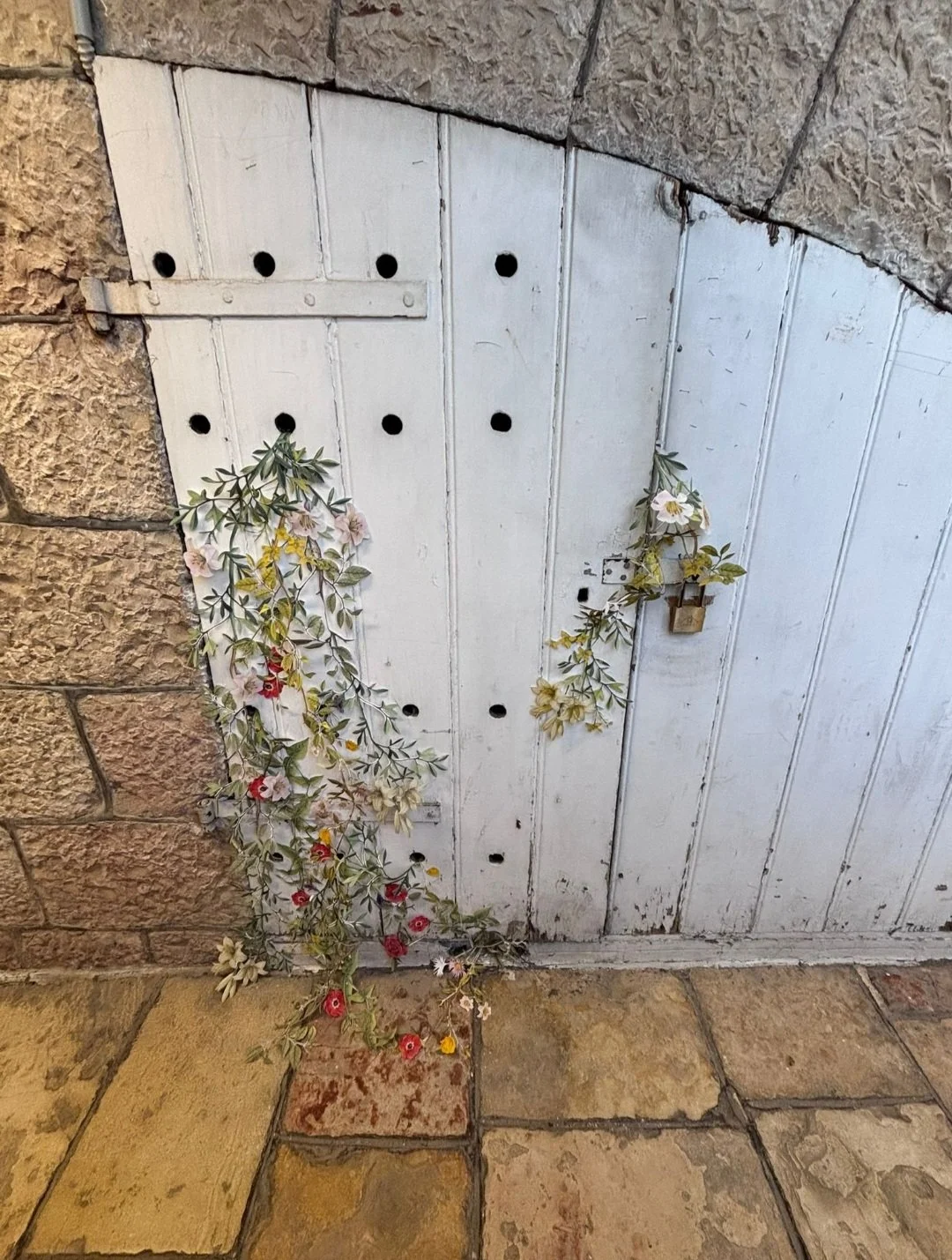
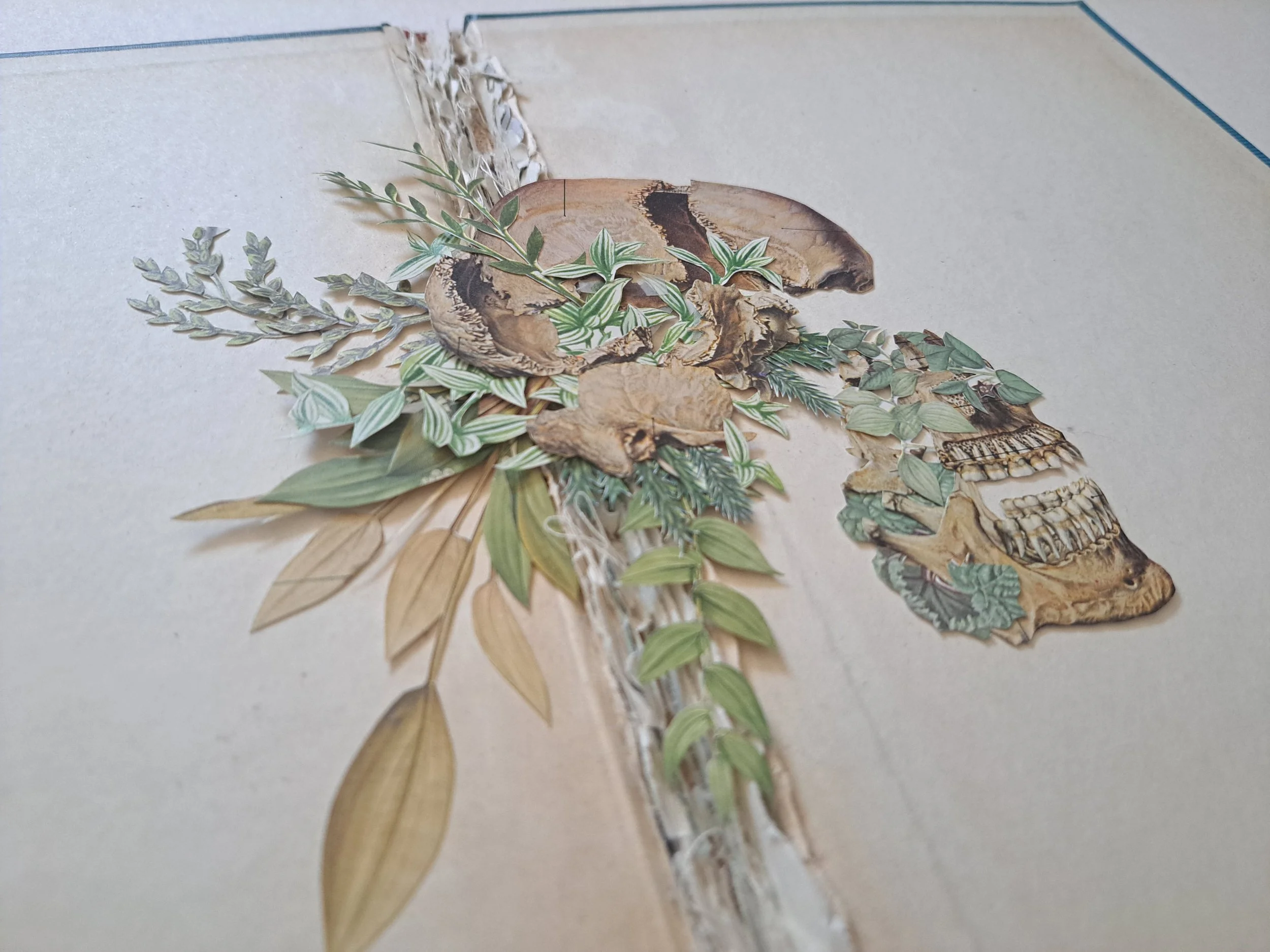
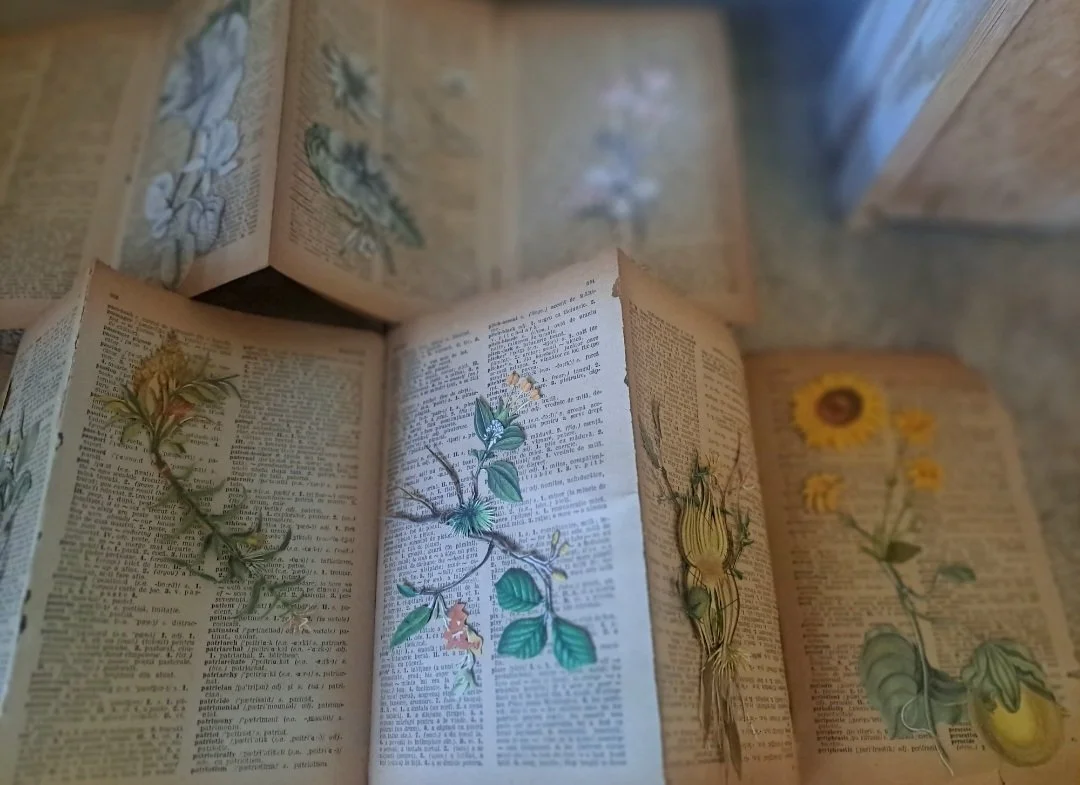
Due to the sanctity of these flowers, the sisters at the Crusader hospital would brew them into a tea that benefited those whose bodies had weakened, and some believed it could develop immunity in the body against viper venom. Throughout the years, until the beginning of the British Mandate in Palestine, pilgrims would come to the hospital to purchase bottles of the miraculous brew. As emerges from Alexandra Korkin's diary, her father was buried with some of his personal belongings. Indeed, in 1929, when the hospital building was expanded and excavations were conducted in its vicinity, Korkin's bones were discovered, surrounded by books of dried holy flowers that he had purchased when he arrived at the Old City of Jerusalem. In the area of Korkin's grave, amulets and human skulls were also found, apparently from the tenth century, and some believe that Korkin was buried in a place where his forefathers had dwelled.
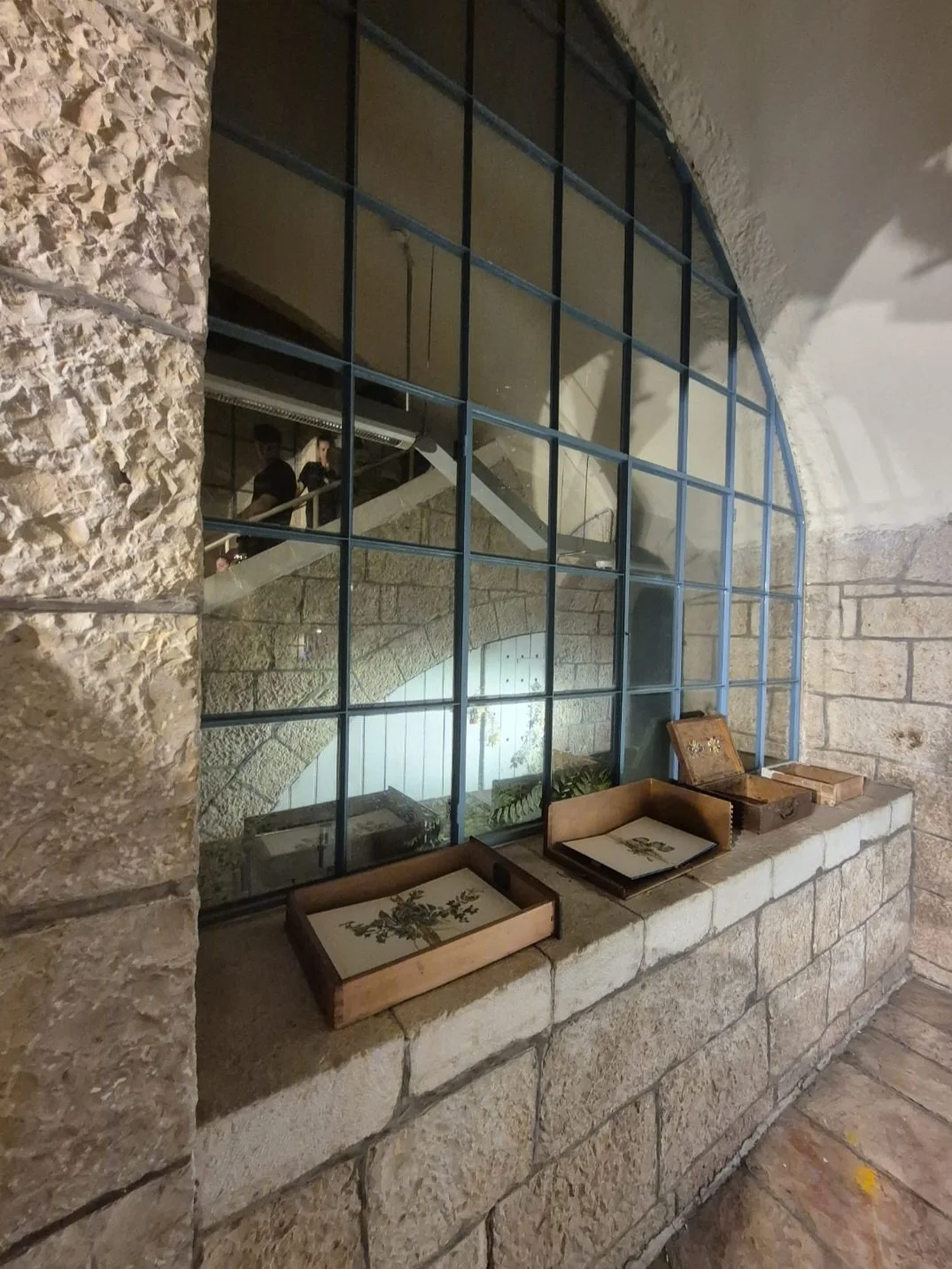
Over the years, a network of rumors developed regarding the dead buried in the hospital grounds who visit it nightly and know no rest. In order to calm the rumor mill and enable the building's function as an office building, it was decided to seal the burial passage with a wooden door. However, miraculously, to this day, flowers continue to grow in the dark plot of earth, and they are strong and determined to break through to the light.
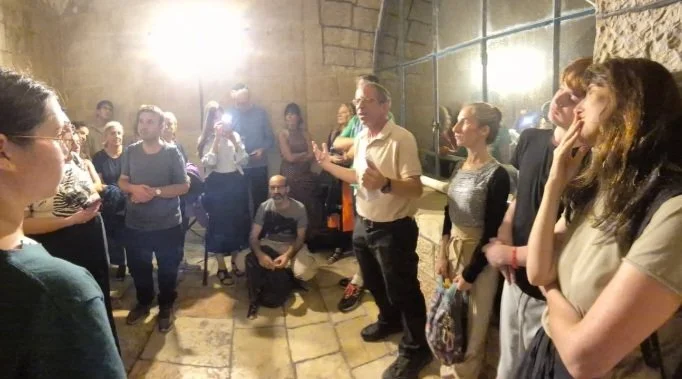
Vigil Night is the culmination of a multidisciplinary artist retreat in Building 13, where female and male artists stayed within the walls of this multi-incarnation structure, exploring its hidden and visible layers—and tonight we will bring it to life in a guided nocturnal wandering that moves between the historical and the artistic, between memory and imagination, and between documentation and legend.
The building, which previously served as a hospital for Russian pilgrims, and like any hospital—also contained a morgue, carries with it stories of spirits and demons that were seen or felt within it when it became an office building. Fear not—a Jerusalem kabbalist conducted a prayer here for the removal of spirits. And yet, those who wander at night through the building's spaces may discover additional secrets whispering from within the layers of stone, time, and memory.
The project seeks to transform the language of preservation into a living, creative, and breathing process—not as a grip on the past but as an invitation to renewed, performative, and multi-sensory observation of Jerusalem architecture. This is an attempt to illuminate the hidden, make present the invisible, and open the door to a future that grows from connection and preservation of past stories.
The event is held on the initiative of the Jerusalem Municipality's Department of Building Preservation, the Real Time Project, and in collaboration with the Department of Visual Arts.